
Exposing students of color to Historically Black Colleges and Universities (HBCUs) alongside typical university choices is important for several reasons:
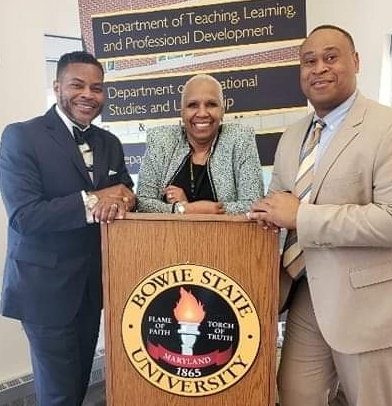
- Cultural Connection and Identity: HBCUs often provide a unique cultural and historical connection for African-American students. This sense of belonging can enhance their self-esteem and cultural identity. Research, such as that by Strayhorn (2010), suggests that students who attend HBCUs are more likely to have a strong sense of belonging and pride in their racial and cultural identity.
- Supportive Learning Environment: HBCUs tend to offer a more supportive and nurturing learning environment. Smaller class sizes and strong faculty-student relationships can positively impact academic achievement. Research by Gasman and Conrad (2013) highlights that HBCUs have a strong focus on teaching and mentoring.
- Increased Graduation Rates: HBCUs often have higher graduation rates for African-American students compared to predominantly white institutions (PWIs). Research by Gasman and Commodore (2014) shows that HBCUs are successful in graduating African-American males at a higher rate than other institutions.
- Leadership Opportunities: HBCUs have a long history of producing successful African-American leaders, including in politics, business, and academia. Exposure to this legacy can inspire students and provide role models for their future success.
- Culturally Relevant Curriculum: HBCUs often offer courses and programs that are more culturally relevant to African-American students. This can foster a deeper engagement with the material and enhance academic performance.
- Networking and Support Systems: The networks and connections formed at HBCUs can be invaluable in the professional world. Graduates often benefit from a strong alumni network that can offer career opportunities and mentorship.
Exposing students to a diverse range of educational options, including HBCUs, allows them to choose institutions that align with their personal and academic needs, and these choices can have a positive impact on African-American males by offering them the academic and social support they need to succeed, a sense of identity and belonging, and improved prospects for their future careers.
 Terri Goldson